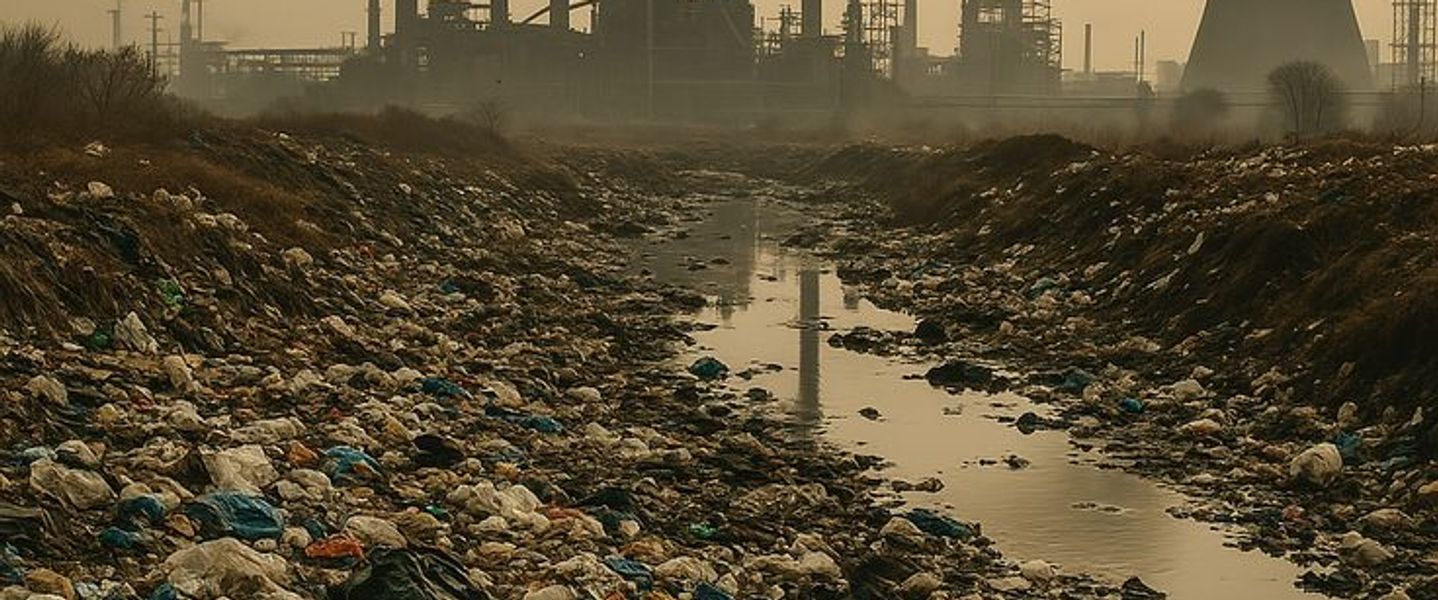
Rapid digital adoption brings a consequence that often goes unnoticed: mounting piles of electronic waste, or e-waste. Every time an old smartphone is upgraded or a broken household appliance is discarded, the global footprint of toxic waste grows. Within Southeast Asia, Indonesia currently holds the title as the largest generator of e-waste.
Yet, beneath the threat of environmental contamination, these discarded electronics hold tremendous economic and ecological value when processed properly.
E-Waste in Indonesia: Challenges Amid Digital Growth
According to the Global E-waste Monitor, Indonesia generates approximately 1.9 million metric tons of e-waste annually—the highest volume in Southeast Asia. This surge is driven by population growth, rising purchasing power, and increasingly shorter replacement cycles for consumer electronics.
However, this massive waste volume has yet to be matched by adequate waste management infrastructure:
- Dominance of the Informal Sector: The vast majority of Indonesia's e-waste is still handled by informal collectors and recyclers. Unsafe practices—such as open-air cable burning and acid leaching without protective equipment—pose severe health hazards to workers and pollute surrounding communities.
- Lack of Household Sorting: Many consumers still dispose of small electronics (such as batteries, chargers, and LED bulbs) alongside regular household trash, sending toxic components directly to municipal landfills.
- Regulatory Progress: Through the Ministry of Environment and Forestry (KLHK), the Indonesian government is actively advancing Extended Producer Responsibility (EPR) frameworks—requiring manufacturers to take responsibility for their products' end-of-life management—while expanding e-waste drop-box facilities across major cities.
What Is the Global E-Waste Outlook?
On a global scale, the trajectory is equally pressing. The world generates more than 62 million metric tons of e-waste each year, a figure projected to reach 82 million tons by 2030. Worldwide, e-waste generation is rising five times faster than documented formal recycling rates.
Nevertheless, several nations have successfully built model e-waste ecosystems:
- Europe (Norway & Switzerland): Nordic nations and Switzerland lead the world with formal collection and recycling rates exceeding 80%. These countries utilize an Advance Recycling Fee (ARF) built into the retail price of new electronics, paired with convenient take-back points at retail stores.
- Japan: Under its Home Appliance Recycling Law, Japan mandates shared responsibility among consumers, retailers, and manufacturers to recycle major appliances—including air conditioners, televisions, refrigerators, and washing machines—achieving high material recovery rates.
The Global Benefits of Processing E-Waste
Responsible e-waste management goes far beyond simple waste disposal; it serves as a strategic pillar for both global sustainability and economic resilience:
1. Unlocking "Urban Mining" Potential Discarded electronics are modern-day gold mines. While one ton of conventional ore yields an average of just 5 grams of gold, one ton of discarded mobile phone circuit boards can yield between 200 and 300 grams. Beyond gold, formal recycling recovers silver, copper, palladium, and rare earth elements vital to modern manufacturing.
2. Reducing Environmental Degradation and Carbon Emissions Reclaiming metals from existing devices drastically reduces the need for destructive new mining operations. Extracting and refining metals from e-waste consumes significantly less energy than mining virgin ore from the earth, directly cutting industrial greenhouse gas emissions.
3. Safeguarding Public Health and Ecosystems Electronic devices contain hazardous substances such as lead, mercury, cadmium, and brominated flame retardants. Certified recycling facilities safely isolate and neutralize these toxins, preventing them from leaching into groundwater, entering the agricultural food chain, and causing neurological or respiratory illnesses.
4. Fueling the Circular Economy and Green Jobs From device refurbishment and component harvesting to advanced material recovery, the formal e-waste sector drives a circular economy—creating skilled green jobs while lowering raw material costs for manufacturers.